
Nursery pots for growing on and dividing

Nursery pots for growing on and dividing
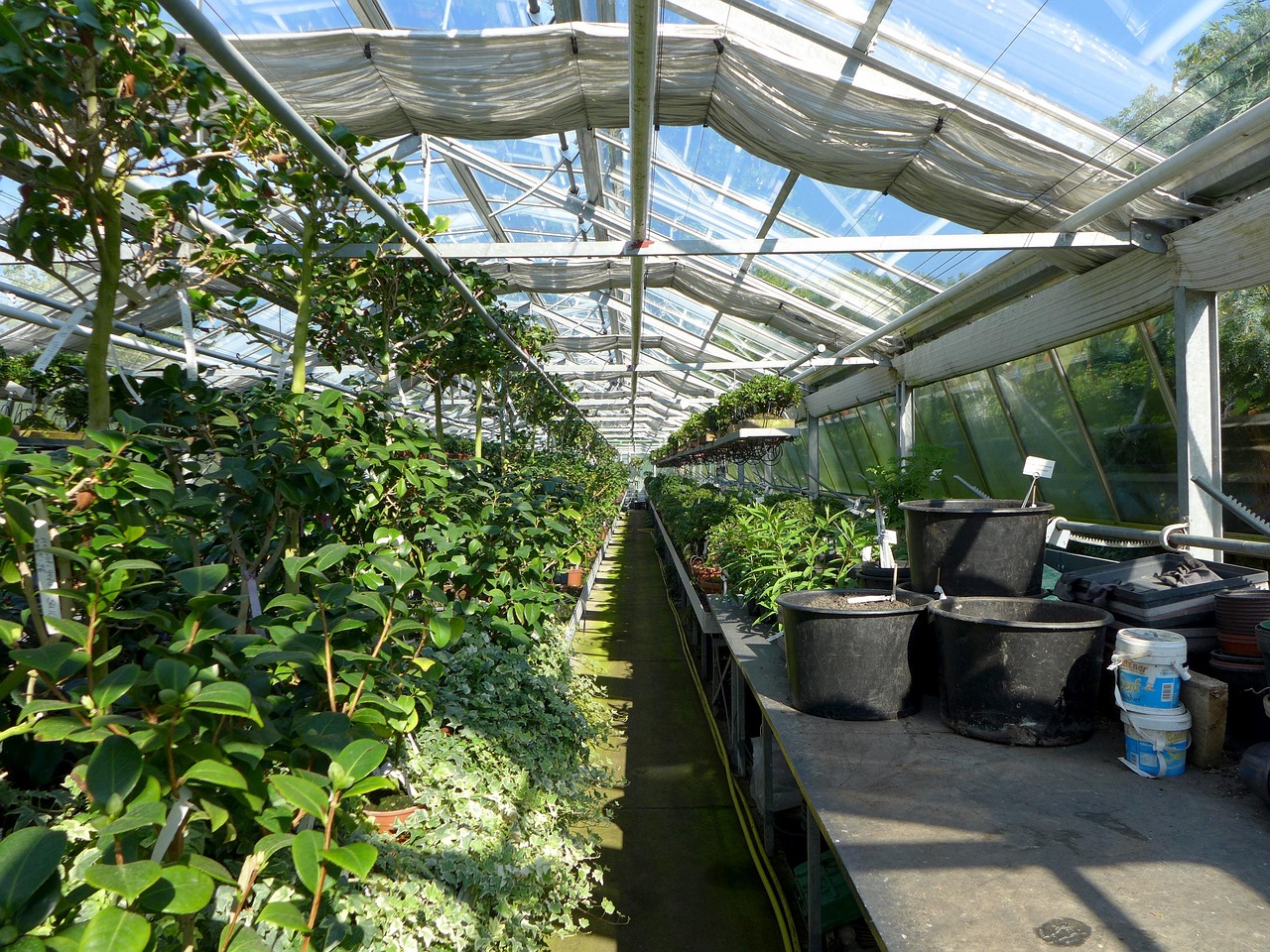
Nursery pots are the least interesting thing in this shop and the most used. Every plant passes through them: cuttings, divisions, seedlings, anything being grown on before it goes into something you want to look at.
Why the sizes step the way they do
Nursery pots come in 4, 5, 6 and 7 inch diameters as a standard progression, and the steps are roughly the right increase for a plant moving up.
The principle: go up one size at a time. A small plant potted straight into a large pot sits surrounded by medium its roots do not occupy, and that medium stays wet. Wet unoccupied medium is where root rot starts.
Variety packs exist because a growing collection needs all the sizes at once — a division goes into a 4, this year’s 4 becomes next year’s 5.
Drainage holes
Not all nursery pots are equal, and the difference is at the base.
A pot with a single central hole drains slowly and the outer base stays wet. A pot with multiple holes around the base, and ideally slots up the side wall, drains from the whole footprint.
For anything epiphytic — orchids, bromeliads, many aroids — go further and use a slotted pot. For ordinary potted plants, multiple base holes is enough.
A raised base or feet on the bottom of a pot means it does not sit flat in its own runoff. Small detail, real difference in a wet season.
Saucers
Useful indoors and dangerous if misunderstood. A saucer catches runoff so it does not mark a surface. It is not a reservoir.
Empty it fifteen minutes after watering. A plant standing in its own runoff is a plant with its lowest roots in water, which is the same failure as a pot with no drainage at all.
Clear saucers have the practical advantage that you can see whether there is water in them without lifting the pot.
Plastic, and the honest case for it
Plastic nursery pots are unattractive and they are the right tool.
They hold moisture more evenly than terracotta, which dries through its walls. They are light, they stack, they are cheap enough to have spares, and they can be squeezed to release a rootbound plant without breaking.
Terracotta is better for plants that want to dry out fast and for top-heavy plants that need the weight. For growing on, plastic wins on every practical measure.
Dividing a plant
Most clumping tropicals — many orchids among them — are increased by division rather than seed.
The general rule for orchids is to leave at least three healthy pseudobulbs or growths per division. Smaller divisions survive and take much longer to flower.
Each division goes into a pot sized to its own roots, not to the pot it came from. That usually means going down a size or two, and it is the step people get wrong: a small division in a large pot sits in wet medium.
Sterilise the cutting tool between every division.
Cleaning pots between plants
This is the part that gets skipped and it matters, particularly in a humid climate.
A pot that has held a plant with root rot carries the organisms that caused it. Reusing it without cleaning passes the problem to the next plant.
The routine: scrub off all old medium and mineral deposit with a brush and water, then soak in a dilute bleach solution — about one part household bleach to nine parts water — for ten minutes. Rinse thoroughly and dry in the sun.
Sunlight does real work here. A pot dried in Miami sun for a day is in good condition.
Mineral deposit
The white crust on the rim and inside wall is salts from water and fertiliser. It is cosmetic on the outside and worth removing on the inside, because it sits against roots.
Soak in a solution of white vinegar and water, then scrub. Rinse very thoroughly — vinegar residue is not something you want against fresh roots.
Storage
Stack by size, dry, out of direct sun. Plastic left in full Florida sun for a couple of seasons goes brittle and cracks the first time you squeeze it to release a plant.
Keeping a stack of clean pots ready is the difference between repotting when a plant needs it and repotting when you get round to buying a pot.
Where to look
Nursery pots in variety packs with saucers, and the pruning tools that go with dividing, are on the nursery pots and tools page. Slotted pots for epiphytes are at clear slotted orchid pots, decorative pots with real drainage at ceramic and self-watering pots, and supports at plant stakes and supports and orchid clips.